
Children and Body Alignment
Key Benefits
Reduced pain
Improved posture life and sport
Reduced risk of further issues into adulthood
Confidence to move freely across day-to-day life
Confidence in playing sports
Body Alignment for children helps develop physically better-off adults
because alignment-focused movement and exercise supports muscles and bones as they develop- to do their job. Children age 10-16 years are particularly vulnerable to developing non-ideal or bad postural habits due to many factors such as; active lifestyles, prolonged desk sitting, time on phones/tech are the most common and overlooked factors that a body alignment-focused movement and exercise programme can correct very quickly. Things to look out for are; Children with over-pronation that struggle with footwear, children who play sports who get injured regularly, children who suffer back and neck pains. These issues are becoming more common place- the fix is easy— the sooner the better. I make the consultations fun to keep children engaged-- aware of what I am communicating. Aiming to give them the confidence and motivation needed to keep them focused on the outcome of the consultation so they engage with the programme I write tailored to their needs. All sessions take place with a parent/guardian in the room for child safety and support.
Common Body Alignment issues for children age 10-16
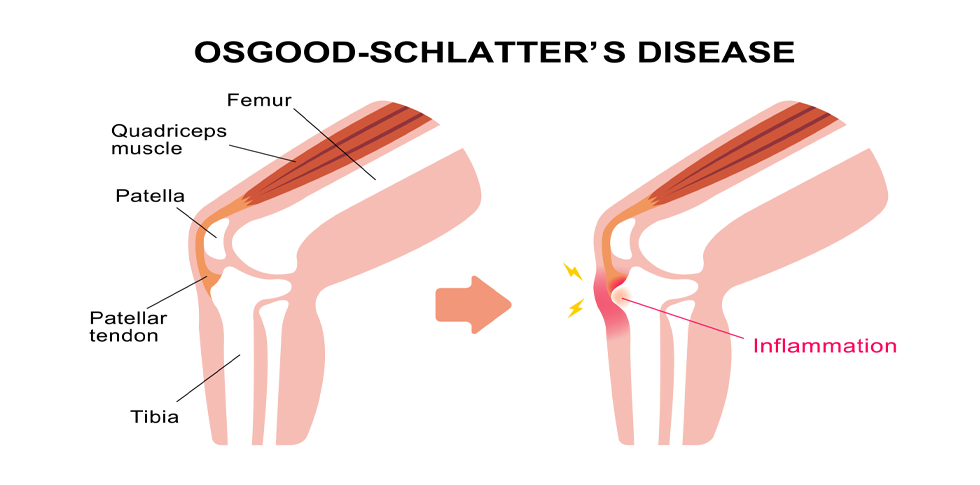
Osgood Schlatter’s Disease - Knee condition characterised by a bony lump on the superior chin bone. Painful when kneeling, walking, running, using stairs. NHS prognosis is reduced exercise with stretches with symptoms eventually going away after 12-18 months.
Risk factors; More commonly in boy’s, also affects girls exacerbated by high impact sports, football, netball, rugby, hocky, running.
Cause; Underlying condition is primarily caused by an imbalance between rapid bone growth and tight thigh muscles, poor lower limb alignment—such as flat feet or knock-knees—increases the stress on the kneecap and tibial growth plate
Action; Addressing alignment biomechanics through a body alignment assessment resulting in a tailored movement programme can manage and significantly improve symptoms.
Multi-disciplinary recommendations may include - Osteopath/Chiropractor, Massage/Sports therapist, Physiotherapists, Paediatrician, GP, Nutritionist, Podiatrist.
Severs disease
Inflammation of the growth plate in the heel, common in active children
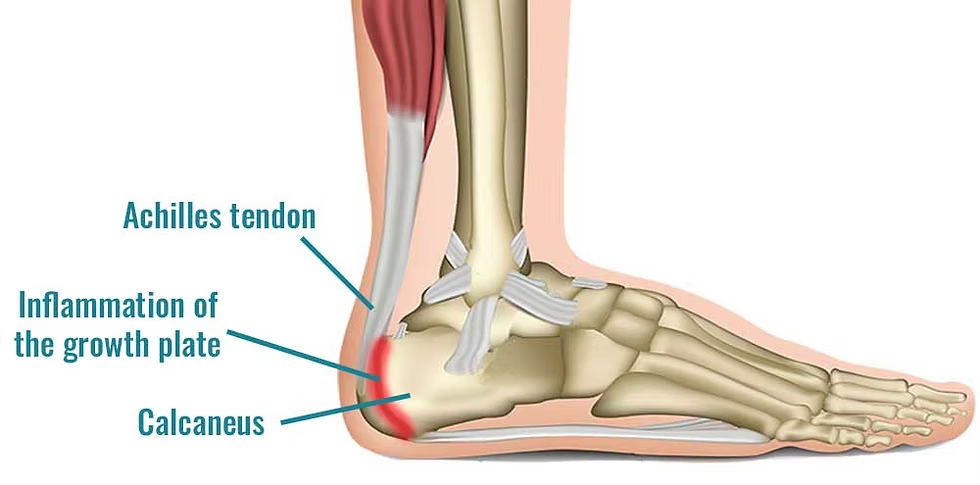
Sever’s disease - Inflammation of the growth plate in the heel, common in active children.
Risk factors; More commonly in boy’s, also affects girls exacerbated by high impact sports, football, netball, rugby, hocky, running. Boys 10-14
Girls 8-12 typically.
Cause; It is most commonly triggered by growth spurts, where bones grow faster than muscles, causing the achilles tendon to become tight and pull on the heel. High-impact activities like running or jumping exacerbate this.
Action; By correcting poor biomechanics—such as flat feet, high arches, or inward-rolling ankles (over-pronation)—you can reduce the uneven pressure and tension pulling on the sensitive heel growth plate.
Multi-disciplinary recommendations may include - Osteopath/Chiropractor, Massage/Sports therapist, Physiotherapists, Paediatrician, GP, Nutritionist, Podiatrist.
Flat Feet
Flat feet can affect overall body alignment
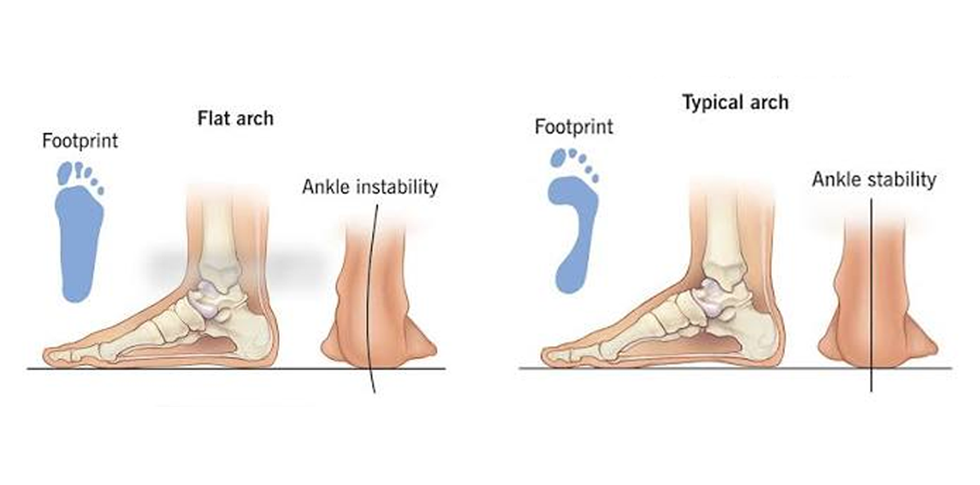
Flat Feet- Walking on inside of foot, flattening natural arch and compromising knee/hip joints leading to joint pains up the postural chain.
Risk factors; Environmental mimicking, heritability, low confidence, weight related issues.
Cause; Genetic factors are cited. Underactive Plantaris (muscle behind the knee). Overpronation, which strains the knees, hips, and lower back. Affects all ages.
Action; Body alignment can significantly help with flat feet by addressing the structural chain reaction that causes arches to collapse.
Multi-disciplinary recommendations may include - Osteopath/Chiropractor, Massage/Sports therapist, Physiotherapists, Paediatrician, GP, Nutritionist, Podiatrist, Personal Trainer, Occupational Therapists, Sports Coach.
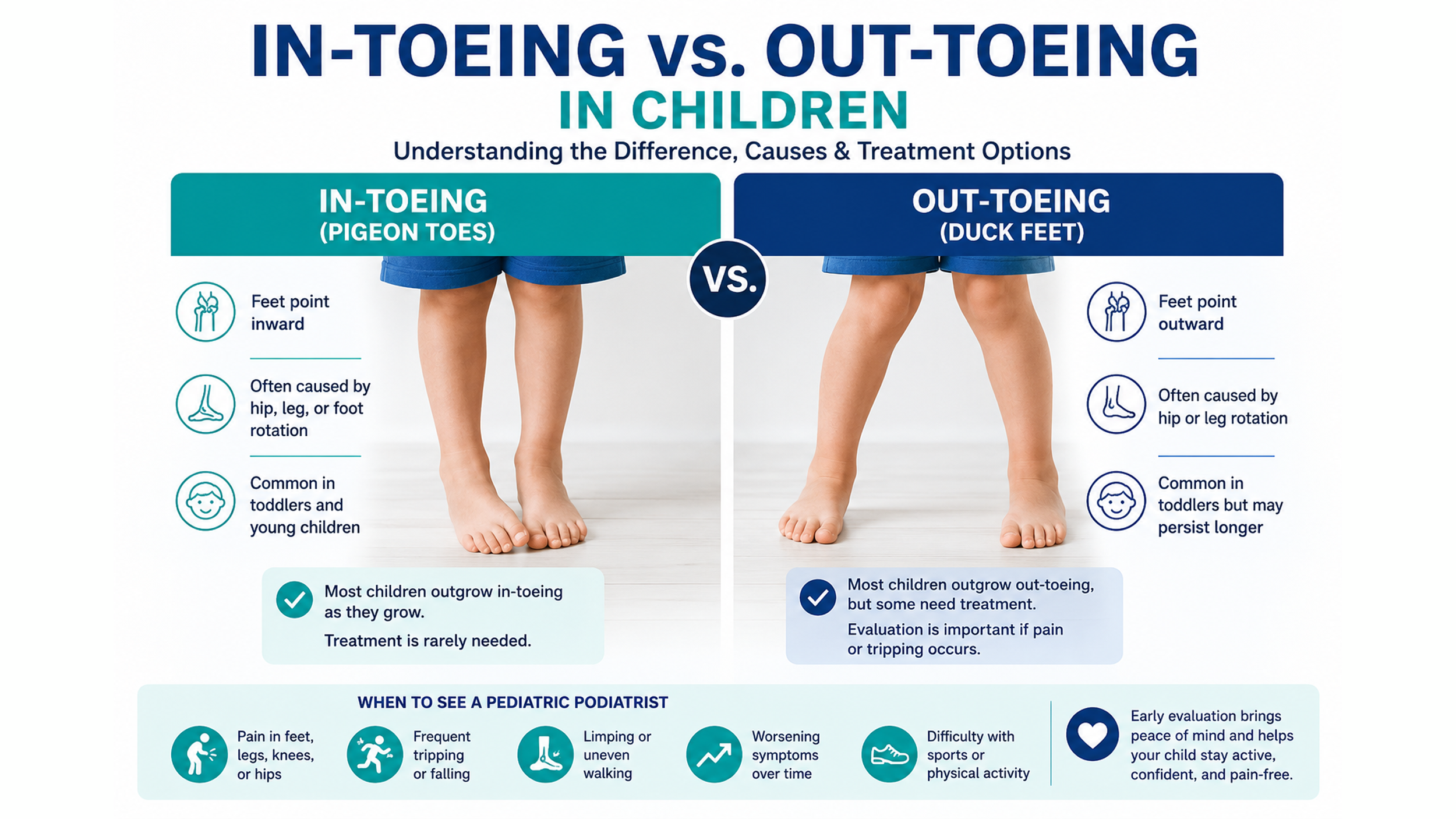
In-toeing/Out-toeing - Leads to over pronation or over supination which causes strain on the ankle and knees leading to weakened muscles in the knee, thigh and over-swing in the hip, seen in the gait – weakened muscles from hips down, lower back pain.
Risk factors; Not growing out early developmental patterns, weight gain and pain.
Cause; Hip rotation - can be normal in early-years whilst children are learning to walk and further developing and growing. Many naturally grow out of this
Action; While these gaits are often caused by natural bone rotation in children (which usually resolves on its own), poor posture, weak hip muscles, and muscular imbalances can exacerbate the issue. Improving alignment helps stabilize the body and reduces pain.
Multi-disciplinary recommendations may include - Osteopath/Chiropractor, Physiotherapists, Paediatrician, GP, Nutritionist, Podiatrist.
Before age 10- ideally. Paediatricians /Podiatrists - after age 10 Body alignment can help significantly improve any symptoms that arise from this walking pattern.
Toe Walking
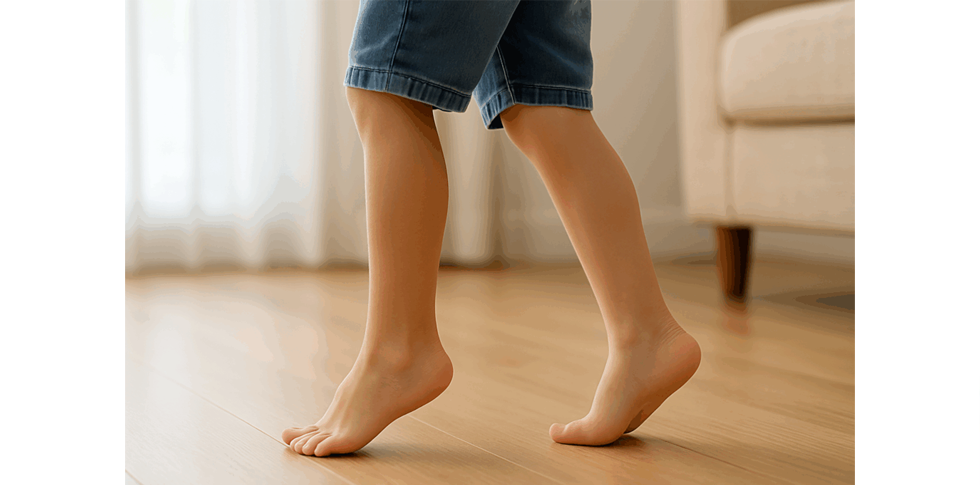
Toe Walking - Persistent walking on tiptoes beyond the toddler years. Overuse of quadriceps muscles leading to tightness in the thighs and calves. Characterised by a forward lean- can lead to back pain.
Risk factors; Children who do not learn to walk with the whole foot. Not learning to walk properly foot sensitivities, proprioceptive limitations, non-neurotypical traits.
Cause; Can be related to non-neurotypical children
Action; Muscular body alignment benefits for toe walking include reducing joint strain and preventing permanent muscle contractures. Proper alignment engages the core, glutes, and calves to distribute weight evenly, improving overall balance, lowering the risk of falls, and promoting a healthy heel-to-toe gait.
Multi-disciplinary recommendations may include - Osteopath/Chiropractor, Massage/Sports therapist, Physiotherapists, Paediatrician, GP, Nutritionist, Podiatrist, Personal Trainer, Occupational Therapists, Sports Coach.
Before age 10- ideally Podiatrists/Paediatricians - after age 10 Body alignment can help significantly improve any symptoms that arise from this walking pattern to prevent life-long issues.
Growing pains
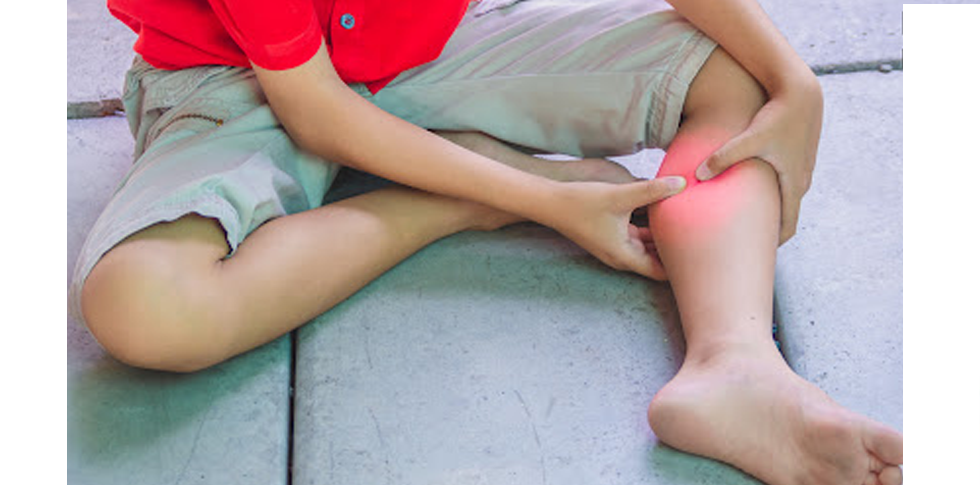
Growing Pains - Adaptations in movement to reduce pain leading to poor alignment and later issues, typically in adolescence to mid-teen years
Risk factors; Non specific known
Cause; - unknown- related to muscle strain.
Action; Muscular body alignment benefits for growing pains include reducing muscle strain. Muscular alignment looks for muscle over-use strain and focuses on relieving over-used muscles and engaging muscles that are underperforming to bring the body as a whole back in balance.
Multi-disciplinary recommendations may include - Osteopath/Chiropractor, Massage/Sports therapist, Physiotherapists, Paediatrician, GP, Nutritionist.
Overuse injuries
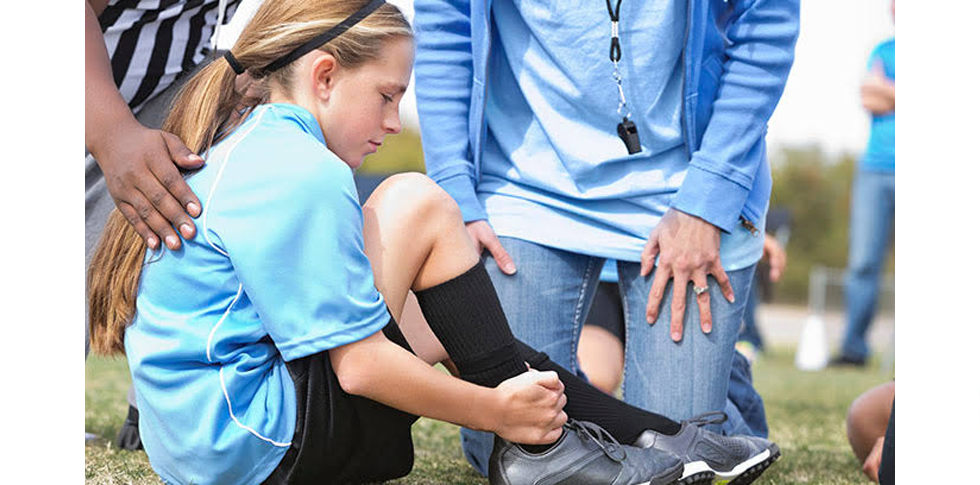
Overuse Injuries - Tight and weakened muscles. Imbalances in alignment due to compensations.
Risk factors; Sports or repetitive activities, poor nutrition
Cause; Poor alignment domino effect. Performing sports or heavy walking on mis-aligned joints
Action; Muscular body alignment benefits overuse injuries. Muscular alignment looks for muscle over-use strain a focuses on relieving over-used muscles by engaging muscles that are underperforming to bring the body as a whole back in balance.
Multi-disciplinary recommendations may include - Osteopath/Chiropractor, Massage/Sports therapist, Physiotherapists, Paediatrician, GP, Nutritionist, Podiatrist, Personal Trainer, Occupational Therapists, Sports Coach.