
Adults and Body Alignment
Key Benefits
Reduced pain
Improved posture life and sport
Reduced risk of further issues as you age
Confidence to move freely across day-to-day life
Confidence in playing sports and staying active
Body Alignment for adults helps prevent age-related decline and promotes active longevity whilst reducing risk of injury
because alignment-focused movement and exercise supports muscles and bones. Adults today are particularly vulnerable to developing non-ideal or bad postural habits due to many factors; active lifestyles, prolonged desk sitting, adults suffering with chronic back and neck pains as well as time on phones are the common overlooked factors that body alignment can correct very quickly. Further signs to be aware of; adults with with over-pronation that struggle with footwear, active adults who want to reduce injury risk or ensure safe return to activity after injury and physio treatment. The fix in many cases is relatively easy sometimes it my require a multi-disciplinary approach. Your commitment to a tailored programme for best long-term results. The consultation notes and programme are given to all clients to boost confidence needed to help keep you committed and consistent.
Common Body Alignment issues for Adults
Persistent Limping
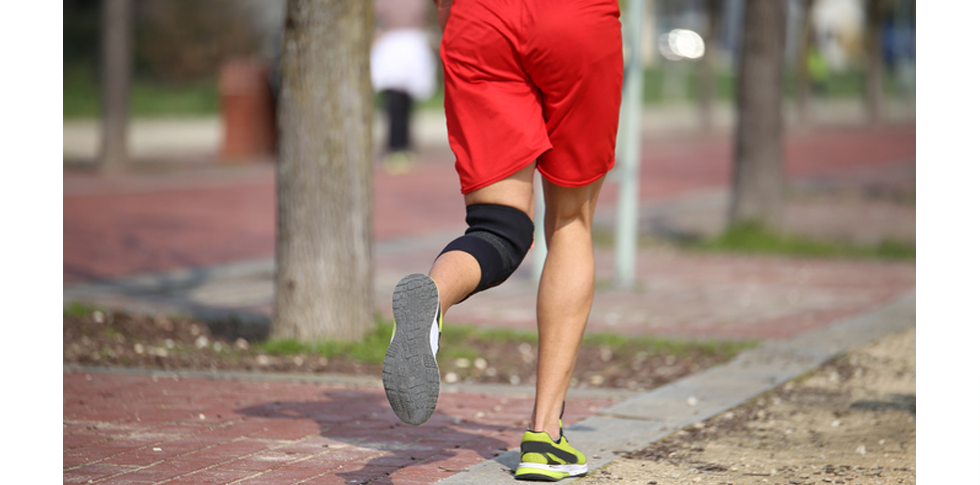
Unexplained or persistent limping - Limping, pain in the legs and hips, potentially back and shoulder pain
Risk factors; Poor alignment, injury without recovery, High intensity sports, prolonged sitting or standing.
Cause; Non-specific, risk factor related.
Action; Addressing alignment biomechanics through a body alignment assessment will manage and significantly improve symptoms.
Multi-disciplinary recommendations may include - Osteopath/Chiropractor, Massage/Sports therapist, Physiotherapists, Paediatrician, GP, Nutritionist, Podiatrist, Personal Trainer, Occupational Therapists, Sports Coach.
Clumsiness or Frequent Falls
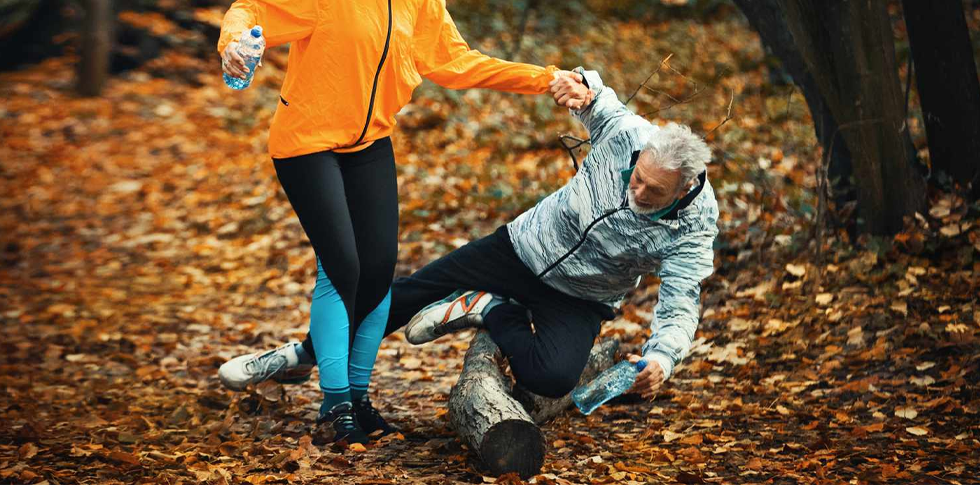
Clumsiness and Frequent Falls - Compromised balance and coordination. Medical issues that compromise nerves. Trapped nerves. Poor nutrition.
May indicate underlying foot/gait/NEUROLOGICAL problems
Risk factors; Diabetes, trapped nerves, low back pain, age, poor posture, autoimmune conditions.
Cause; Non-specific
Action; Correcting poor biomechanics and re-gaining neuro-muscular connection to strengthen postural muscles and movement will help build confidence in movement and understanding what it happening in the body.
Multi-disciplinary recommendations may include - Osteopath/Chiropractor, Massage/Sports therapist, Physiotherapists, Paediatrician, GP, Nutritionist, Podiatrist, Personal Trainer, Occupational Therapists, Sports Coach.
Flat Feet
Flat feet can affect overall body alignment and posture through
Altered gait patterns
Compensatory posture adjustments
Potential knee, hip, and back issues
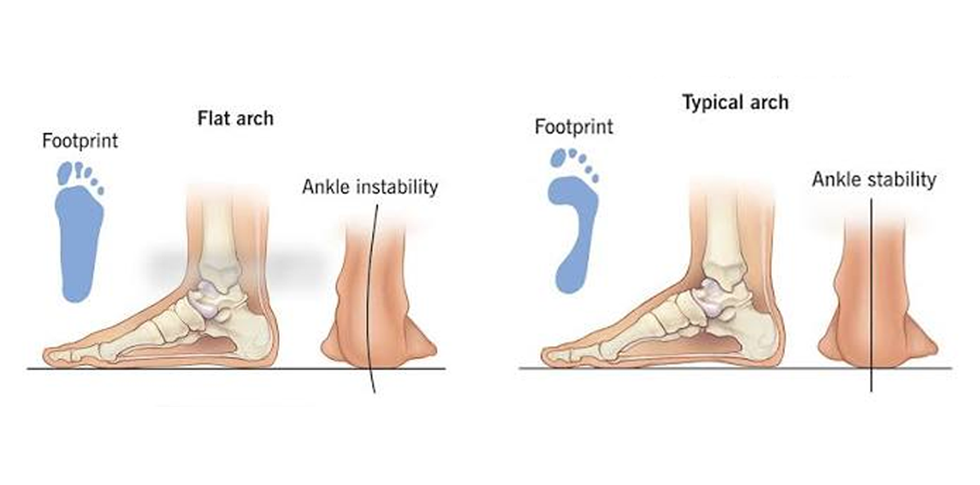
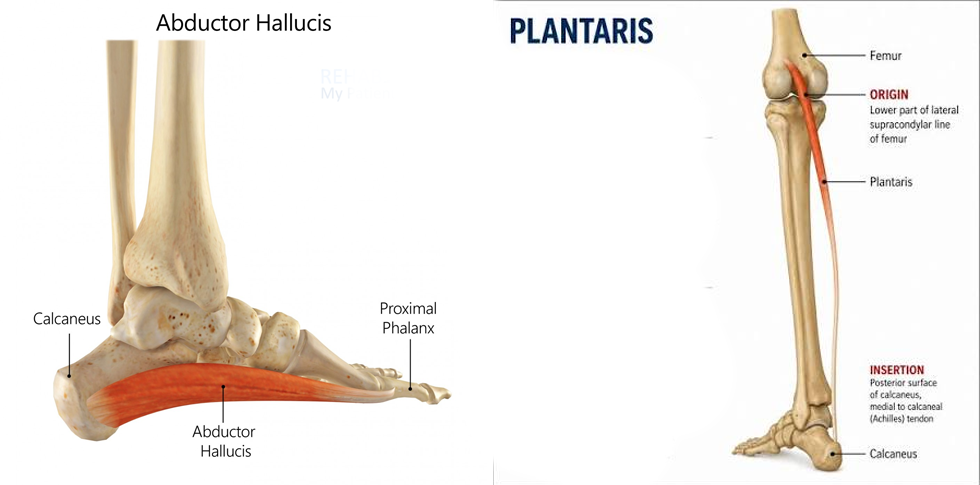
Flat Feet- Walking on inside of foot, flattening natural arch and compromising knee/hip joints leading to joint pains up the postural chain.
Risk factors; Environmental mimicking, heritability, low confidence, poor posture, weight gain, auto-immune diseases.
Cause; Some genetic factors are cited. Underactive Plantaris (muscle behind the knee). When your body's foundation is out of sync, your feet roll inward, leading to overpronation, which strains the knees, hips, and lower back. Affects all ages.
Action; Body alignment will significantly help with flat feet by addressing the structural chain reaction that causes arches to collapse. It ill also stimulate neuro-muscular development, meaning you can feel the progress as you engage in your programme.
Multi-disciplinary recommendations may include - Osteopath/Chiropractor, Massage/Sports therapist, Physiotherapists, Paediatrician, GP, Nutritionist, Podiatrist, Personal Trainer, Occupational Therapists, Sports Coach.
Pigeon/Duck Footing
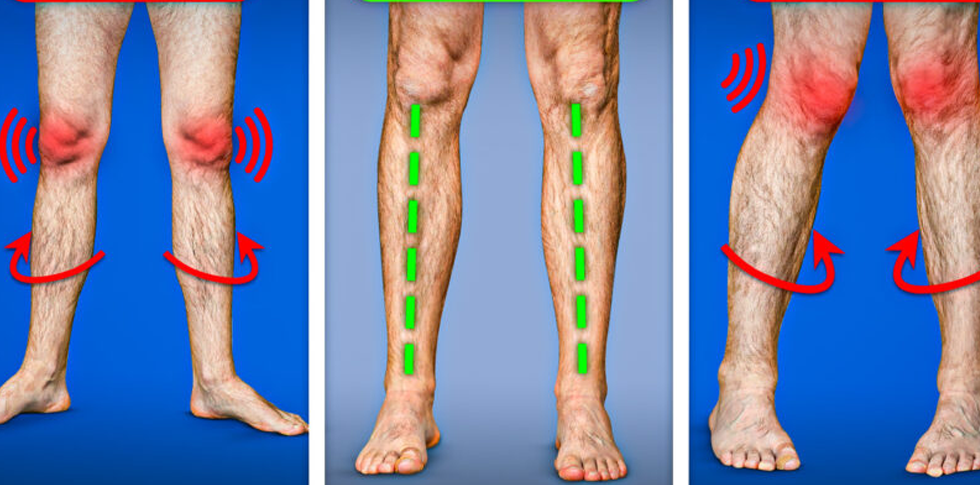
In-toeing/Out-toeing - Over pronation/Over supination causing strain on the ankle and knees leading to weakened muscles in the thigh and over-swing in the hip, seen in the gait– weakened muscles from hips down, lower back pain.
Risk factors; Environmental, Foot pain such as plantar fasciitis, Hip and back issues, weight gain, chronic health conditions.
Cause; Hip rotation - Back pain, prolonged sitting, standing awkwardly. While these gaits are often caused by natural bone rotation in children (which usually resolves on its own), poor posture, weak hip muscles, and muscular imbalances can exacerbate the issue in adults
Action; Improving alignment helps stabilize the body and reduces pain. It ill also stimulate neuro-muscular development, meaning you can feel the progress as you engage in your programme.
Multi-disciplinary recommendations may include - Osteopath/Chiropractor, Physiotherapists, Paediatrician, GP, Nutritionist, Podiatrist.
Before age 10- ideally podiatrists - after age 10 Body alignment can help significantly improve any symptoms that arise from this walking pattern.
Asymmetrical walking patterns -Unequal use of legs or feet
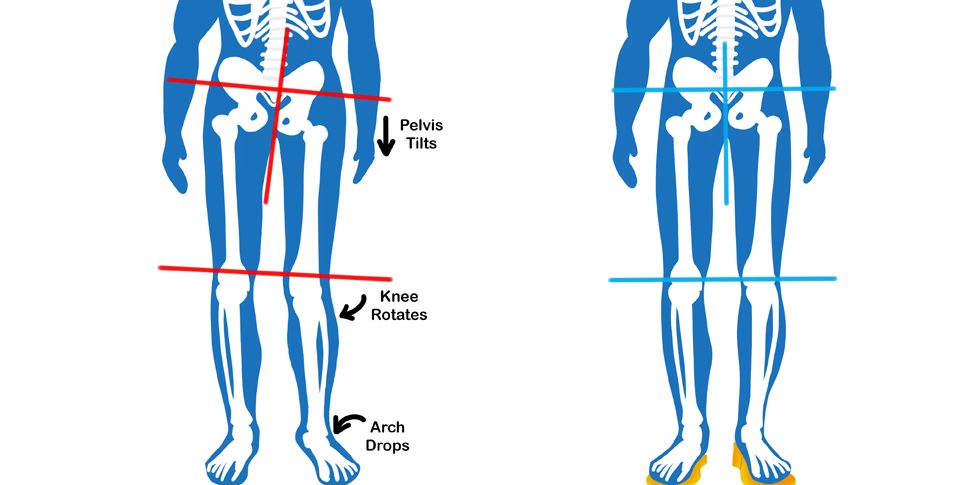
Asymmetrical walking patterns— Unequal use of legs or feet - Hip and leg pain, potential foot pain including plantar fasciitis. Pain when jumping, struggling to jump, loss of balance, weak legs.
Risk factors; No aftercare after injury or accidental damage, weight gain, back pain
Cause; Non specific
Action; Muscular body alignment benefits include reducing joint and muscle strain round the hip and low back area. Proper alignment engages the core, glutes, and calves to distribute weight evenly, improving overall balance, lowering the risk of falls, and promoting a healthy heel-to-toe gait.
Multi-disciplinary recommendations may include - Osteopath/Chiropractor, Massage/Sports therapist, Physiotherapists, GP, Nutritionist, Podiatrist, Personal Trainer, Occupational Therapists, Sports Coach
Plantar fasciitis
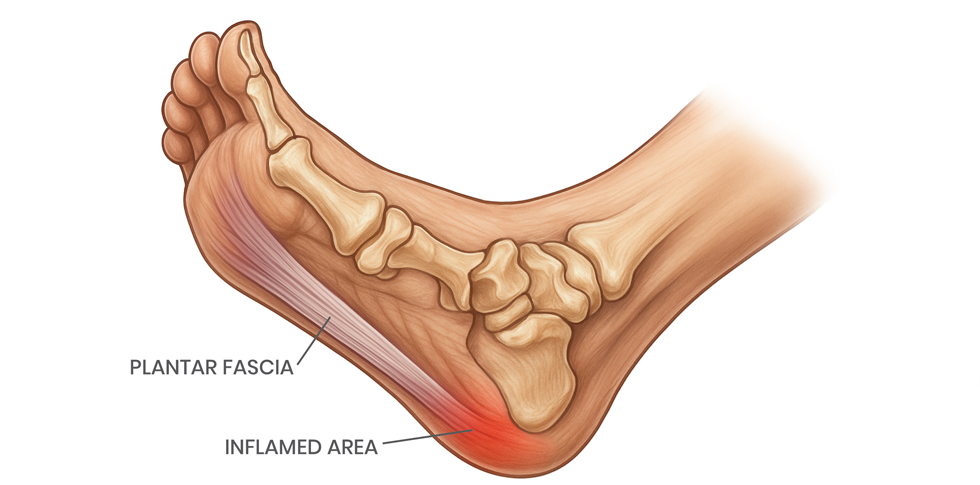
Plantar fasciitis - Pain in bottom of the foot, tender to touch on hard surfaces.
Risk factors; Poor alignment
Cause; Inflammation of the ligament connecting heel to toes, causing heel pain.
Action; Muscular body alignment benefits for growing pains include reducing muscle strain. Muscular alignment looks for muscle over-use strain a focuses on relieving over-used muscles and engaging muscles that are underperforming to bring the body as a whole back in balance.
Multi-disciplinary recommendations may include - Osteopath/Chiropractor, Massage/Sports therapist, Physiotherapists, GP, Personal Trainer
Overuse injuries
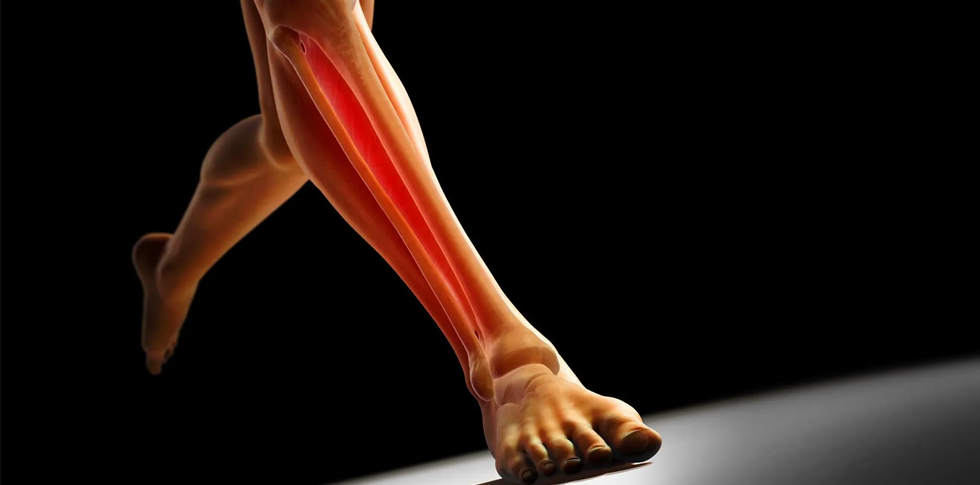
Overuse Injuries - Tight and weakened muscles. Imbalances in alignment due to compensations.
Risk factors; Sports or repetitive activities
Cause; Poor alignment domino effect. Performing sports or heavy walking on mis-aligned joints
Action; Muscular body alignment benefits overuse injuries . Muscular alignment looks for muscle over-use strain a focuses on relieving over-used muscles and engaging muscles that are underperforming to bring the body as a whole back in balance.
Multi-disciplinary recommendations may include - Osteopath/Chiropractor, Massage/Sports therapist, Physiotherapists, GP, Personal Trainer, Occupational Therapists, Sports Coach.
Metatarsalgia
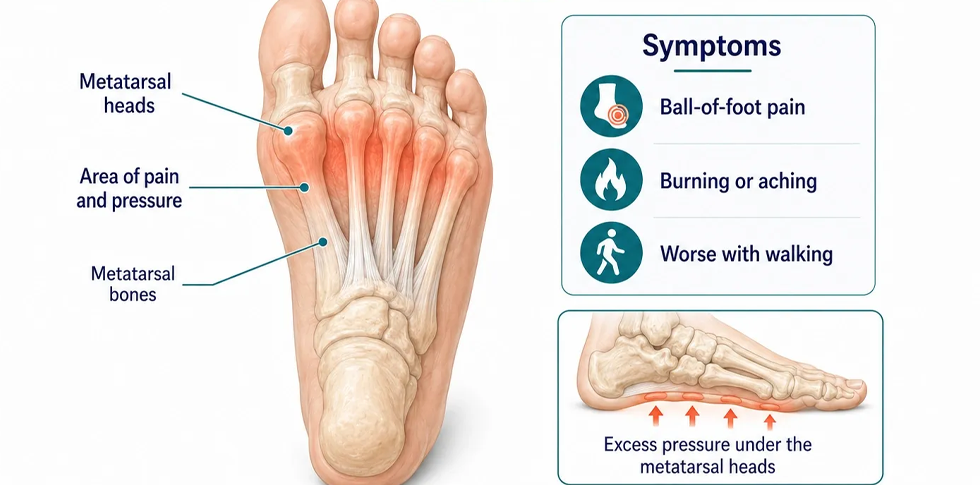
Metatarsalgia - Pain and inflammation in the ball of the foot
Risk factors; Excessive wearing of heeled or pointed shoes, other foot pain issues, prolonged standing, walking, running with poor alignment.
Cause; Poor alignment
Action; Muscular body alignment benefits overuse injuries . Muscular alignment looks for muscle over-use strain a focuses on relieving over-used muscles and engaging muscles that are underperforming to bring the body as a whole back in balance.
Multi-disciplinary recommendations may include - Osteopath/Chiropractor, Massage/Sports therapist, Physiotherapists, GP, Nutritionist, Podiatrist, Personal Trainer, Occupational Therapists, Sports Coach.
Tendonitis
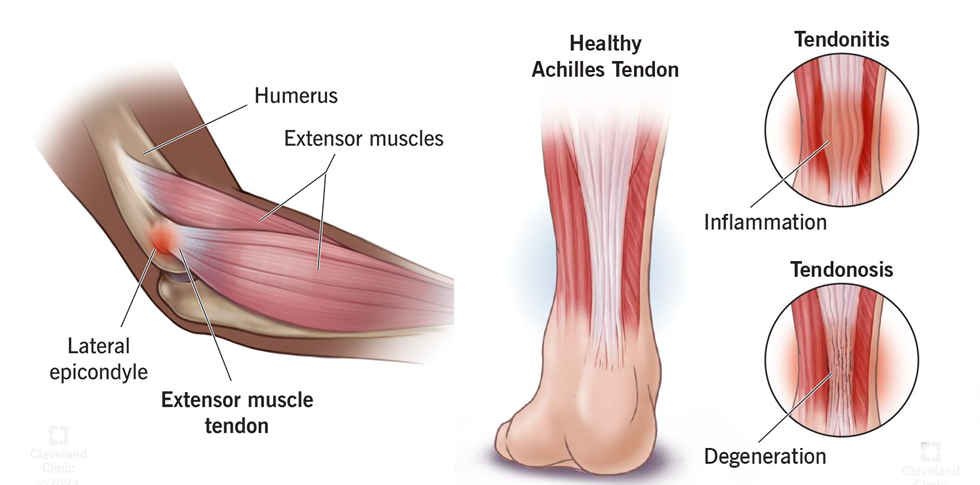
Tendonitis- Inflammation of tendons, particularly Achilles and Elbow tendonitis
Risk factors; Tight muscles, knee issues, not landing on foot correctly when walking, playing sports one-side dominance eg tennis
Cause; Overuse strain.
Action; Because poor posture and biomechanical alterations frequently trigger tendonitis, maintaining a balanced musculoskeletal structure prevents the condition from becoming a chronic, recurring issue
Multi-disciplinary recommendations may include - Osteopath/Chiropractor, Massage/Sports therapist, Physiotherapists, GP, Nutritionist, Podiatrist, Personal Trainer, Occupational Therapists, Sports Coach.
High Arches
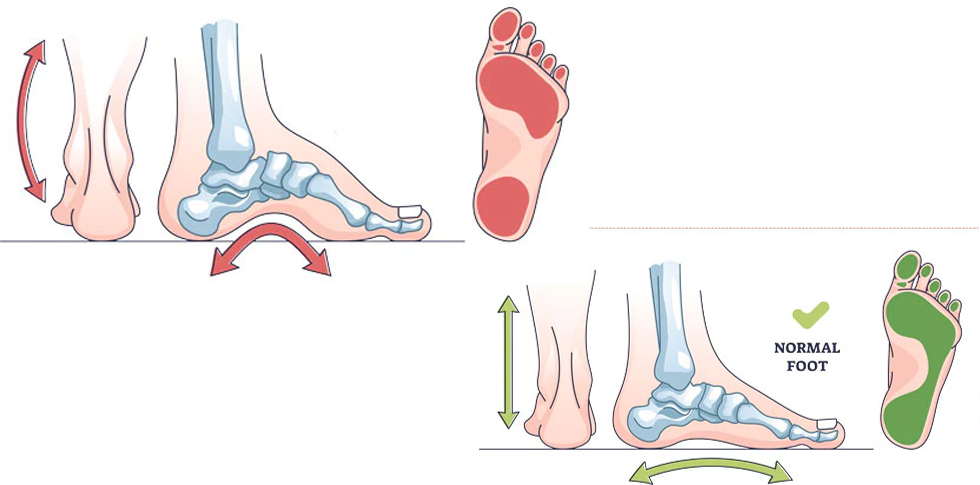
High Arches- Painful feet, Foot changing shape, numbness in the foot Weak or unstable feet
Risk factors; Tight muscles, knee issues, not landing on foot correctly when walking
Cause; Can be genetic or a result of medical conditions like past injuries, muscular dystrophy, cerebral palsy, and neurological issues. Some cases of cavus foot are mild, treated with orthotics and braces, while others are severe and require surgery.
Action; High arches often lead to a rigid foot structure that supinates (rolls outward), causing poor shock absorption and placing excess pressure on the heels, ankles and balls of the feet. Targeted muscular body alignment mitigates this by balancing lower limbs, absorbing ground impact and reducing risk of injuries.
Multi-disciplinary recommendations may include - Osteopath/Chiropractor, Massage/Sports therapist, Physiotherapists, GP, Podiatrist, Personal Trainer, Occupational Therapists, Sports Coach.
Peripheral Neuropathy
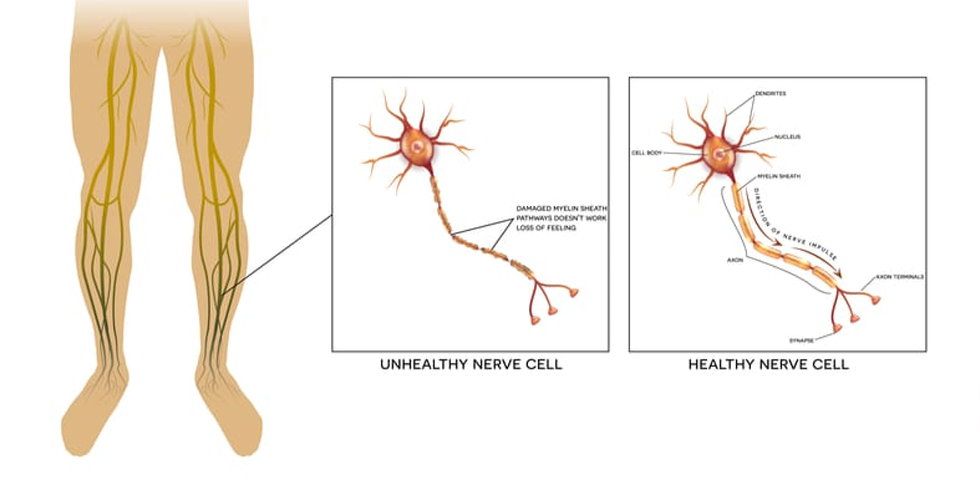
Peripheral Neuropathy- Nerve damage causing numbness, tingling, or pain
Risk factors; Underlying illness such as diabetes, weight related issues, over use injuries, or simple poor posture
Cause; Conditions in which the immune system mistakenly attacks the body's own tissues can cause nerve damage. Examples include Sjögren's syndrome, Guillain-Barré syndrome, lupus, and rheumatoid arthritis, alcoholism, poor nutrition.
Action; Proper spinal and joint alignment prevents vertebrae and tissues from compressing peripheral nerves, mitigating pain and 'pins and needles' sensations.
Multi-disciplinary recommendations may include - Osteopath/Chiropractor, Massage/Sports therapist, Physiotherapists, GP, Nutritionist, Personal Trainer, Occupational Therapists, Sports Coach.
Degenerative Changes
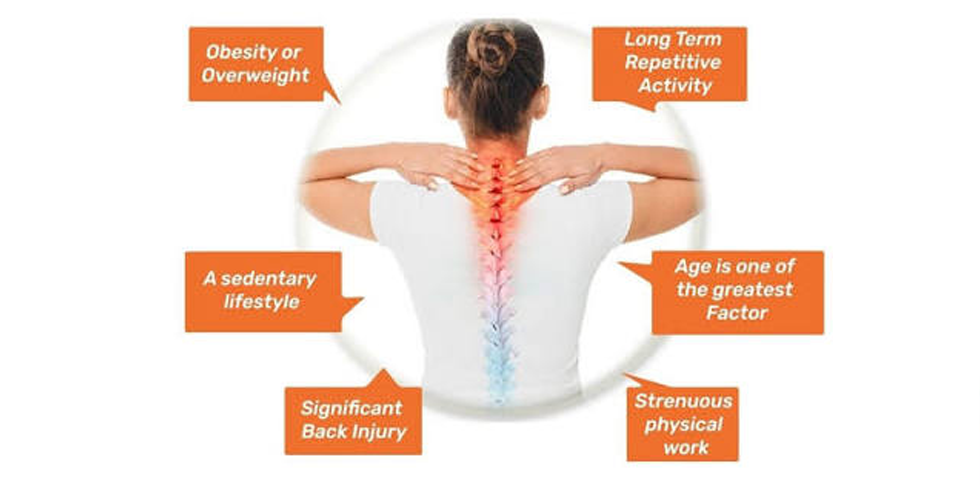
Degenerative changes- Wear and tear on joints and soft tissues, thinning fat pads, loss of natural cushioning, Reduced flexibility making body more susceptible to injury.
Risk factors; High impact sports, ageing, poor fitting footwear, high impact sports, poor alignment, heavy lifting
Cause; Degenerative changes—often linked to osteoarthritis or degenerative disc disease—are primarily caused by natural aging and daily wear and tear. Discs and joints lose fluid and flexibility, which can lead to tears, nerve compression, or bone friction. Other major contributing factors include genetics, smoking, obesity, and improper heavy lifting.
Action; Improving muscular body alignment helps counteract age-related or sedentary degenerative changes (such as joint wear or disc deterioration). By properly balancing your muscles, you distribute weight evenly, which relieves direct stress from degenerated joints, reduces chronic pain, and prevents those issues from worsening over time.
Multi-disciplinary recommendations may include - Osteopath/Chiropractor, Massage/Sports therapist, Physiotherapists, GP, Nutritionist, Personal Trainer, Occupational Therapists, Sports Coach.